11 Watercolor Art Ideas for Beginners to Try Today
Watercolor art ideas for beginners give you an easy way to start painting. You only need watercolor paints, a brush, and watercolor paper.
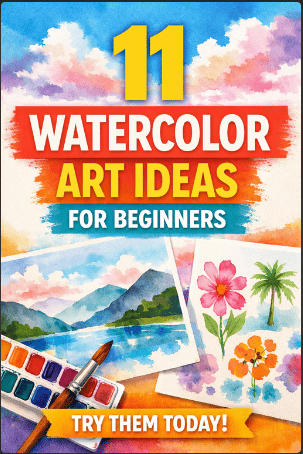
With these simple tools, you start painting right away and enjoy the process. Many beginners face one common problem. They want to paint but do not know what to paint.
As a result, they stop practicing before they improve. Simple painting ideas fix this problem because they give you a clear place to start.
In this article, I will share with you watercolor art ideas for beginners that are easy to paint if you follow the steps. Each idea uses easy shapes and basic colors. So let’s get started.
Note: Some links in this article are affiliate links.
11 Watercolor Art Ideas for Beginners
If you want to start painting, these watercolor art ideas for beginners give you a simple place to start. Each idea helps you practice basic techniques while creating artwork you enjoy painting.
Here are the watercolor ideas:
1. Koi Fish Pond Painting

A koi fish pond gives you a relaxing way to practice watercolor. You can paint simple fish shapes while learning how colors flow in water.
The bright orange fish also creates a strong contrast against blue water, which helps your painting look vibrant even if you are still learning.
When you try this idea, focus on soft water movement rather than perfect shapes. Let the watercolor spread naturally on the paper.
This helps you understand how watercolor behaves and builds confidence with your brush.
What you should focus on while painting:
• Paint a light blue wash to create the pond water.
• Use orange and red tones for the koi fish.
• Add soft circular ripples around the fish.
• Leave small white highlights on the fish.
Related blog post: 11 Easy Painting Ideas on Canvas for Beginners.
2. Cozy Coffee Cup Illustration
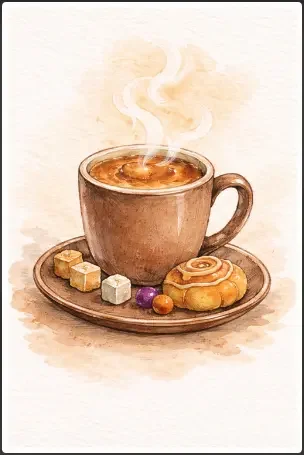
This painting idea helps you turn an everyday object into a warm and relaxing piece of art.
A simple coffee mug uses easy curves, so you spend more time practicing color layering instead of worrying about complicated drawing.
When you paint a cozy coffee scene, think about the atmosphere you want to create. A little steam above the mug or a small pastry beside it makes the painting feel inviting and personal.
Details you can add to improve:
• Sketch a simple mug shape before painting.
• Use warm browns and beige tones.
• Add steam lines above the cup.
• Paint a soft shadow under the mug.
3. Mini Travel Landscape
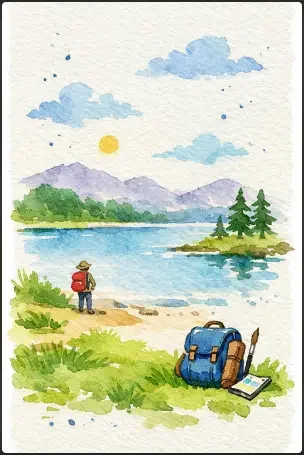
Small landscapes help you practice watercolor without feeling overwhelmed. A small painting area helps you finish quickly. This keeps you motivated to paint more often.
You can treat this idea as a way to create small travel postcards. Paint a soft sky first, then add mountains or trees. With each small painting, you improve color blending and composition skills.
Elements you can include in your landscape:
• A light sky wash as the background.
• Distant mountains using diluted color.
• Darker trees or grass in the foreground.
• A simple balanced composition.
4. Moon Phases Night Sky
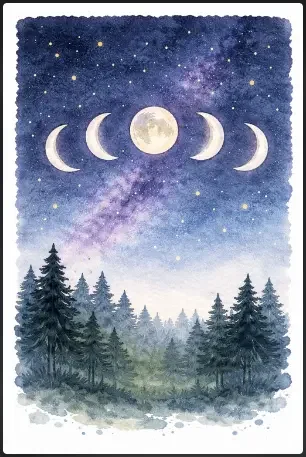
A moon phases painting allows you to create a calm and balanced watercolor artwork. The repeating moon shapes help you organize the page while practicing watercolor layering.
Start with a dark sky background and allow it to dry. After that, paint the moon shapes across the page. The contrast between the bright moons and the dark sky creates a beautiful night scene.
Important details to include:
• A deep blue night sky background.
• White circles to represent the moon phases.
• Light gray shading for moon texture.
• Even spacing between the moons.
5. Crystal and Gemstone Painting
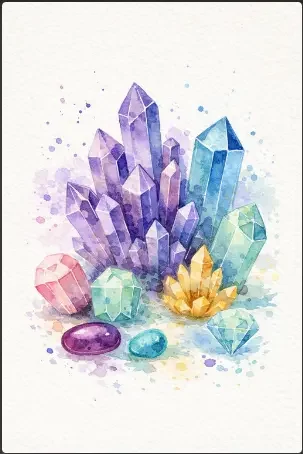
Crystal paintings give you a great way to practice watercolor transparency. Because crystals use simple geometric shapes, you focus more on color layering and light effects.
When you paint gemstones, you begin with light washes and slowly add darker tones. This layering creates the glowing effect people associate with crystals.
Techniques to try while painting crystals:
• Sketch simple crystal shapes first.
• Use transparent colors such as purple or blue.
• Add darker tones for shadows.
• Leave white areas for light reflections.
6. Stack of Books Illustration

A stack of books makes a cozy watercolor subject. You paint simple rectangular shapes while experimenting with different colors for the book covers.
This idea helps you practice light shadows and layering. Small details such as page lines and soft shadows make the books look more realistic.
Details you can include in the painting:
• Draw three or four stacked books.
• Use soft pastel colors for the covers.
• Add thin lines for book pages.
• Paint a gentle shadow under the stack.
Related blog post: 13 Abstract Art Painting Ideas on Canvas.
7. Mushroom Forest Scene
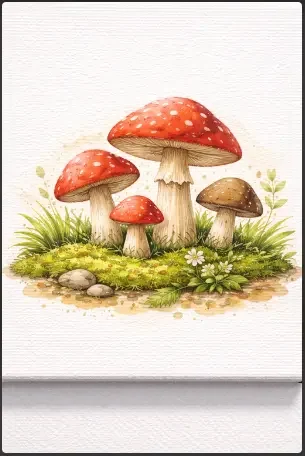
Mushrooms create a fun nature-themed watercolor painting. Their shapes stay simple, which helps you focus on color blending and small details.
You can place several mushrooms together and add moss or grass around them. This builds a small forest atmosphere without making the painting complicated.
Natural details you can add:
• Red or brown mushroom caps.
• Light stems under each cap.
• Green moss and grass strokes.
• Small plants around the mushrooms.
8. Cute Fox Portrait
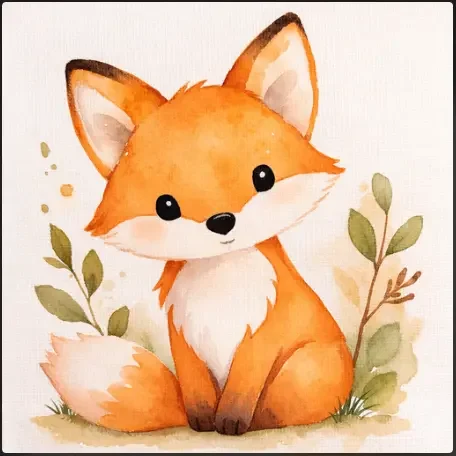
A fox portrait gives you an easy way to practice painting animals. The fox face uses simple shapes, so you spend more time focusing on watercolor washes.
Start with soft orange fur and leave white areas for the cheeks. Then add small details for the eyes and nose. These details bring personality to the portrait.
Features that help the fox stand out:
• A simple fox face outline.
• Soft orange watercolor washes.
• White space for the cheeks.
• Dark details for the eyes and nose.
9. Vintage Camera Painting
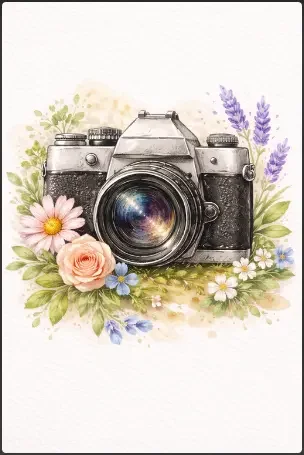
A vintage camera makes a great subject if you enjoy painting objects. The structure uses simple shapes, which helps you focus on shading and light.
When you paint the camera lens, add darker tones in the center and small highlights on the surface. This creates a realistic glass effect.
Key parts of the camera to paint:
• The rectangular camera body.
• A circular lens in the center.
• Buttons and small details on top.
• Light reflections on the lens.
10. Rainy Window Scene
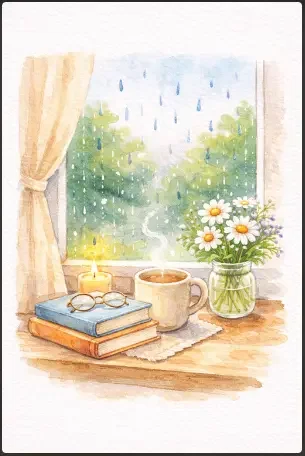
A rainy window scene helps you explore soft watercolor textures. Watercolor naturally creates blurred effects, which makes this subject easy to paint.
You start with a soft background wash and then paint raindrops on top. The blurred background creates depth while the drops add interesting detail.
Elements that create the rainy effect:
• A soft gray or blue background wash.
• Gentle blending to create blur.
• Small raindrops using darker paint.
• Light reflections inside the drops.
11. Desert Cactus Sunset
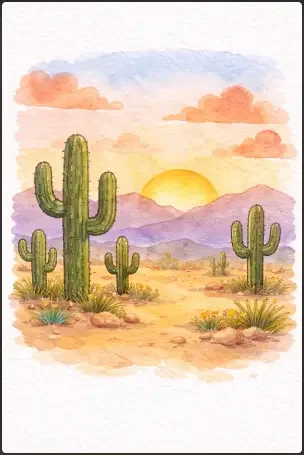
A cactus sunset painting combines bright sky colors with simple silhouettes. This idea works well for beginners because the cactus shapes are easy to paint.
You paint the colorful sky first and blend warm sunset tones. After the sky dries, you add dark cactus shapes in the foreground to create contrast.
Important parts of the scene:
• A sunset sky using orange and pink tones.
• Smooth blending between sky colors.
• Dark cactus silhouettes in the foreground.
• A simple desert landscape.
Watercolor Supplies Beginners Need
Before you start painting, gather a few basic supplies. You do not need expensive tools to begin. A small set of watercolor paints, a brush, and good paper give you everything you need to try the ideas in this guide.
When you use the right materials, your colors blend better, and your painting process feels easier.
If you are new to watercolor, start with simple tools and focus on practice. As you gain more experience, you can test different brushes or paints.
For now, keep your setup simple so you can spend more time painting rather than choosing equipment.
Here are some basic supplies you should have before painting:
• watercolor paints.
• round watercolor brushes.
• watercolor paper.
• pencil and eraser for light sketches.
• paper towels to control water.
• a jar of clean water.
Watercolor Tips for Beginners
Watercolor becomes easier when you follow a few simple habits. Beginners often improve faster when they focus on light layers and patience. Instead of rushing the painting, give each layer time to dry before adding more color.
Practice also plays a major role in watercolor progress. Try painting small subjects often. Simple exercises, such as leaves, flowers, or small landscapes, help you understand how water and pigment move on paper.
Helpful tips to keep in mind while painting:
• Start with light washes and build color slowly.
• Allow each layer to dry before adding details.
• Control the amount of water on your brush.
• Practice small paintings often.
• Keep your compositions simple while learning.
Conclusion
As you can see, watercolor gives you a simple way to start painting and enjoy the creative process. The watercolor art ideas for beginners in this guide help you practice basic techniques while you create beautiful artwork.
Each of the above ideas focuses on simple shapes, soft color blending, and relaxing subjects.
You can pick one idea and start painting today. With regular practice, your brush control improves, and your confidence grows.
Over time, these small paintings help you develop your own style and make watercolor more enjoyable.
More blog posts:





FAQs
Here are some frequently asked questions about watercolor art:
What is the easiest watercolor painting for beginners?
The easiest watercolor painting for beginners includes simple subjects such as flowers, leaves, and small landscapes. They work well for beginners. These subjects use basic shapes and allow you to focus on color blending instead of complex drawing.
What do beginners need to start watercolor painting?
You only need a few basic supplies to start watercolor painting. Watercolor paints, a round brush, watercolor paper, and clean water give you everything needed for practice.
How do beginners improve watercolor skills?
Practice often and keep your paintings small. Start with light washes and slowly build color layers. Over time, you learn how watercolor behaves on paper, and your control improves.
How long does it take to learn watercolor painting?
Many beginners notice progress after a few weeks of regular practice. Painting simple subjects every day helps you understand color blending, brush movement, and layering techniques faster.