13 Easy Abstract Art Painting Ideas on Canvas
If you are searching for easy abstract art painting ideas on canvas, you are in the right place. You do not need formal training, expensive supplies, or natural talent to create art that looks modern and stylish.
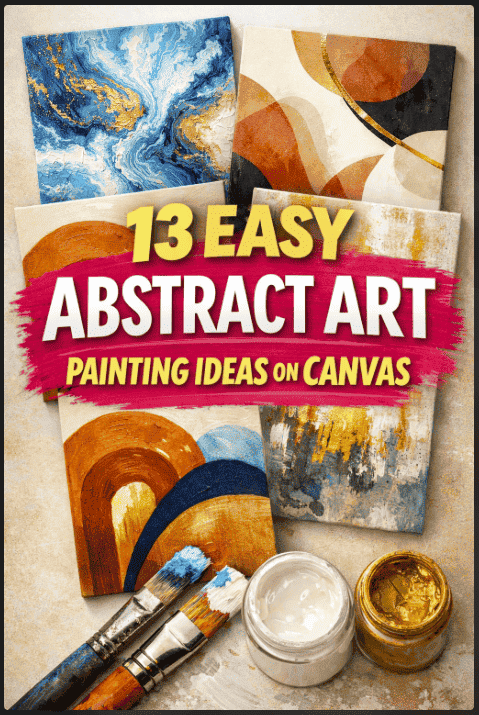
Abstract painting removes the pressure of perfection. There are no strict rules, no exact shapes to copy, and no need to sketch first.
Many beginners hesitate because they think they cannot draw. With abstract art, drawing skills are not required. You focus on color, texture, and simple shapes.
You layer paint, blend tones, and experiment with movement. Even small “mistakes” often add character to the final result.
You also keep costs low. A basic canvas, a few acrylic paints, and simple brushes are enough to start. In the sections below, you will find practical ideas and clear steps to help you paint your first abstract canvas with confidence. So let’s get started.
Note: Some links in this article are affiliate links.
Basic Supplies for Abstract Art Painting
Before you start painting, gather all your materials in one place. When you prepare your supplies in advance, you save time and stay focused on your creative process. You do not need many tools. A few essential items are enough to begin your abstract art project with confidence. Here are some supplies:
Canvas: Choose a stretched canvas in a size that fits your space. Beginners often start with 30 x 40 cm or 40 x 50 cm.
Acrylic Paint: Acrylic paint dries fast and works well for layering. Start with primary colors, black, and white.
Brushes and Palette Knife: Use a flat brush for bold strokes and a round brush for details. A palette knife helps you add texture.
Painter's tape: Painter's tape helps you create clean lines and geometric shapes.
Optional Pouring Medium: If you want to try acrylic pouring, mix your paint with a pouring medium for a smooth flow.
Related blog post: 11 Easy Painting Ideas on Canvas.
Easy Abstract Art Painting Ideas on Canvas
Now that you have your supplies ready, you can start painting. The ideas below are simple, beginner-friendly, and easy to follow.
Each one includes what to paint, basic steps, and one design tip to help you create a balanced and modern result.
1. Color Explosion Canvas
Paint bold splashes of red, blue, yellow, and white across the canvas. Start with a white base. Add different colors in random areas and blend slightly with a brush or sponge. Flick small drops of paint for extra energy.
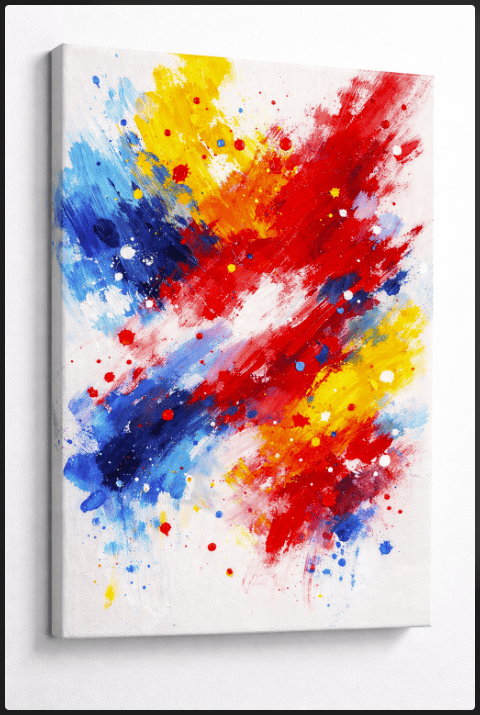
Design tip: Use one dominant color and two accent colors to keep the composition balanced.
2. Black and White Minimal Abstract
Create a simple design using only black and white paint. Apply a white base. Add bold black lines, curves, or blocks. Keep large areas empty to create contrast.
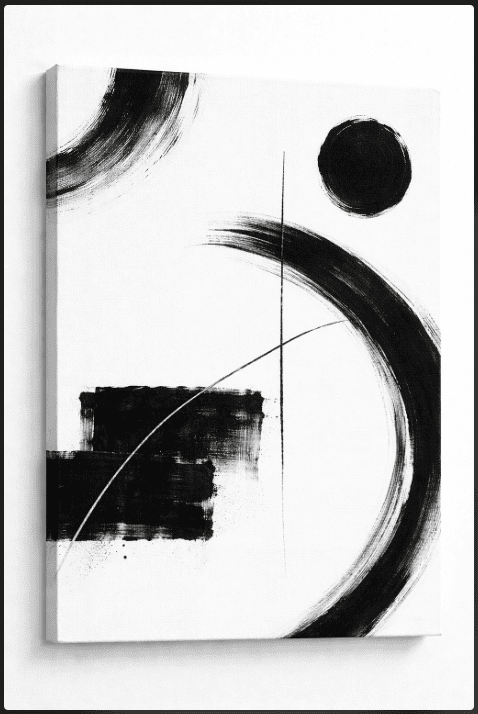
Design tip: Focus on negative space to make the design look clean and modern.
3. Geometric Color Block Painting
Use painter's tape to divide the canvas into squares or triangles. Paint each section with a different color. Let the paint dry and remove the tape carefully.
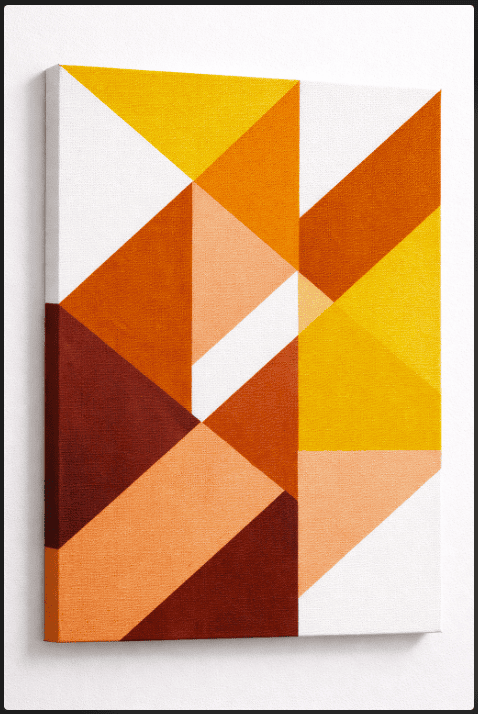
Design tip: Choose three to four colors from the same color family for a cohesive look.
4. Acrylic Pour Art
Mix acrylic paint with pouring medium. Pour different colors onto the canvas and tilt it slowly to spread the paint. Let gravity create organic shapes. Allow the painting to dry flat.
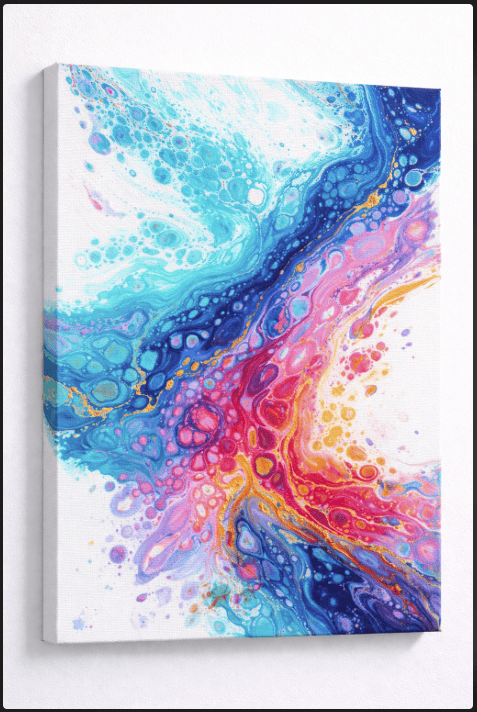
Design tip: Use white or black as a base color to make the poured colors stand out.
5. Textured Palette Knife Painting
Apply thick layers of paint with a palette knife. Spread the paint in different directions to build texture. You can mix colors directly on the canvas.
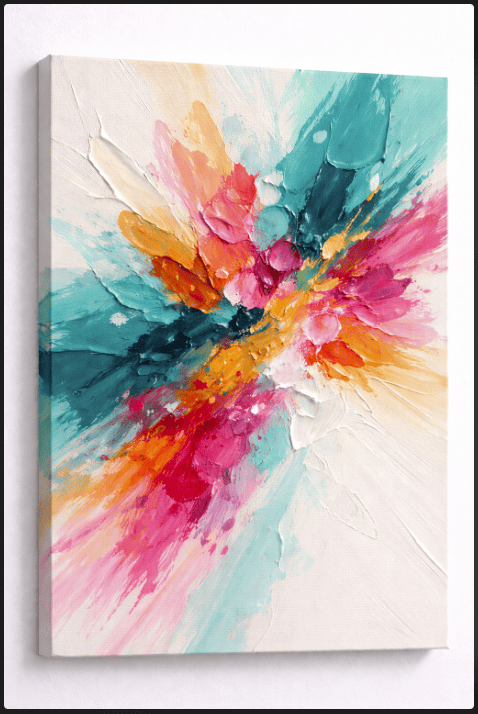
Design tip: Use thick paint in the center and thinner layers near the edges to create depth.
6. Abstract Sunset Landscape
Paint a gradient background using orange, pink, and purple tones. Blend the colors horizontally. Add simple dark shapes at the bottom to suggest hills or trees.
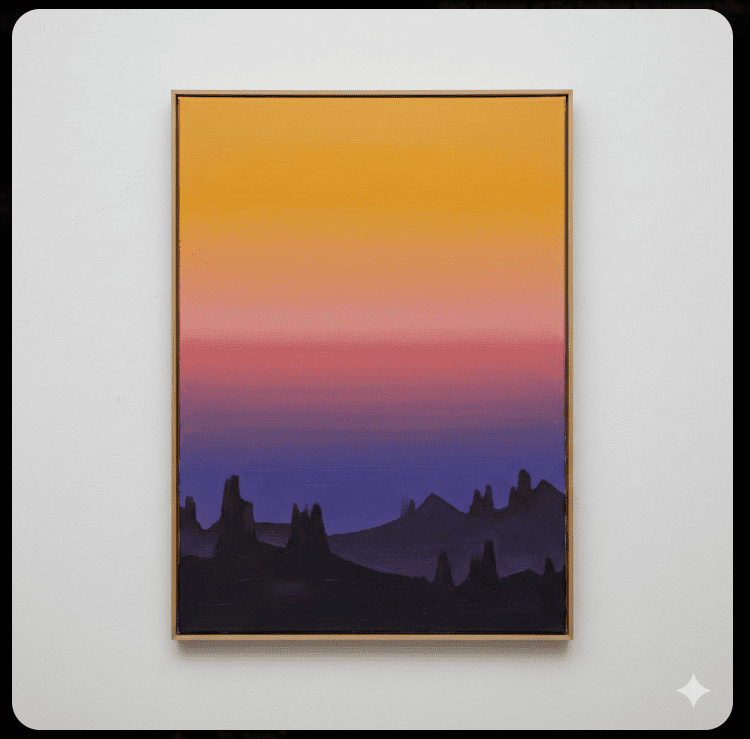
Design tip: Keep the lower part darker to anchor the composition.
7. Gold Accent Abstract
Start with a neutral background like beige or gray. Add bold shapes in one or two colors. Finish with small gold accents using metallic acrylic paint.
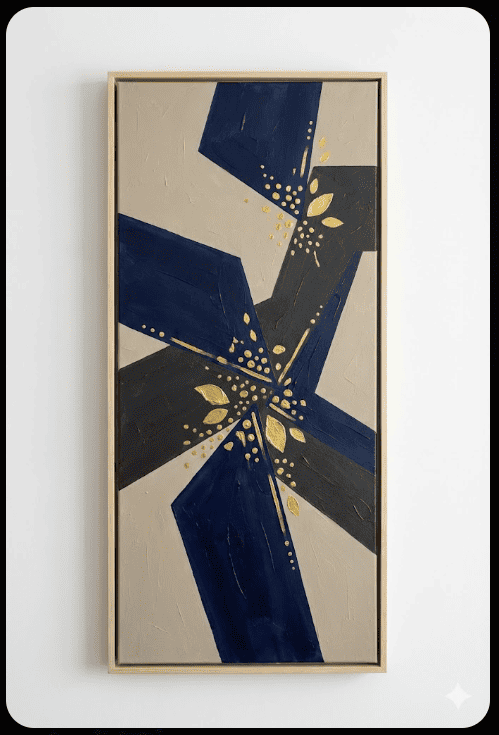
Design tip: Place gold details near focal points to draw attention.
8. Monochrome Mood Painting
Choose one color, such as blue or green. Mix different shades by adding white or black. Paint overlapping shapes and brush strokes.
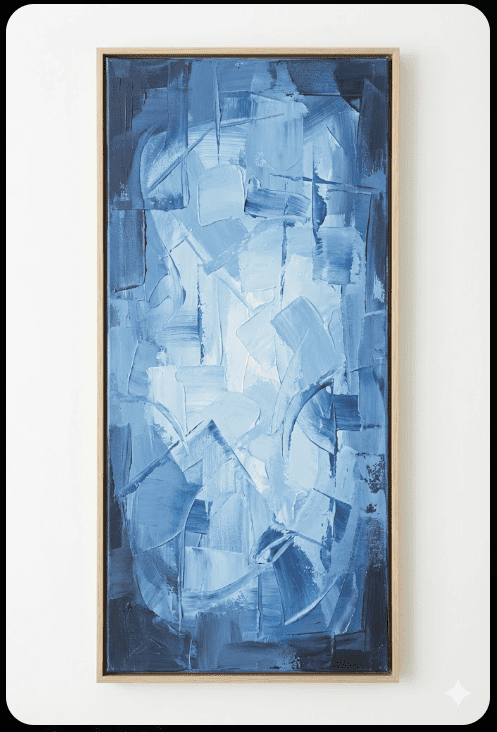
Design tip: Use light shades in the center and darker tones around the edges for contrast.
9. Circular Motion Abstract
Paint a light base. Use a round brush to create overlapping circular strokes. Blend two or three colors in each circle.
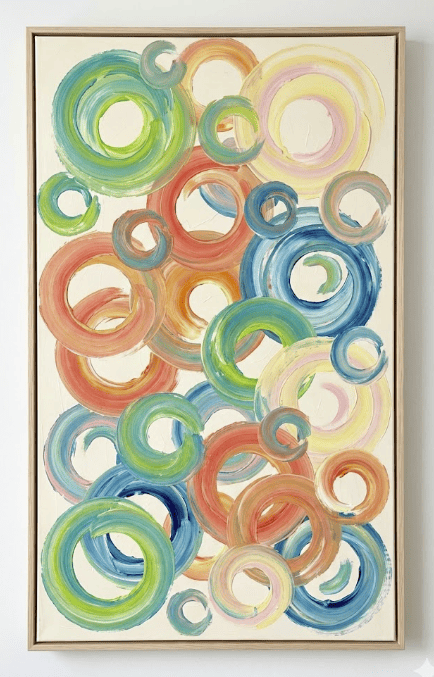
Design tip: Vary the size of circles to add movement and avoid repetition.
10. Earth Tone Abstract
Use brown, beige, cream, and muted green. Apply the paint with a sponge or wide brush in soft layers. Blend gently for a natural look.
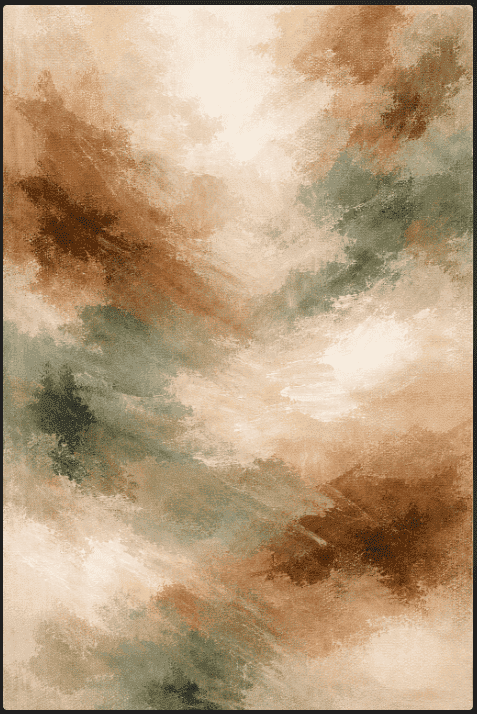
Design tip: Add subtle texture with a dry brush technique to mimic stone or sand.
Related posts:
11. Line Art Over Background
Paint a colorful abstract background first. Let it dry fully. Use a thin brush and black paint to draw simple lines over the surface.
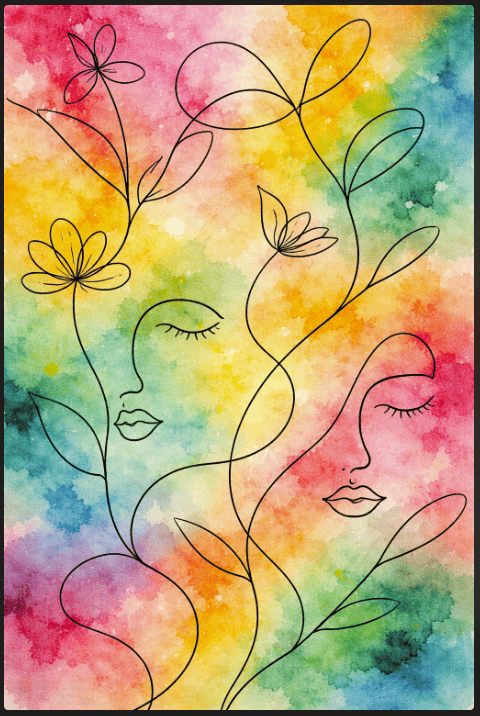
Design tip: Keep the line design simple and fluid to avoid clutter.
12. Soft Gradient Painting
Blend two or three colors smoothly from top to bottom. Use a damp brush to soften the transitions. Keep the surface simple without extra shapes.
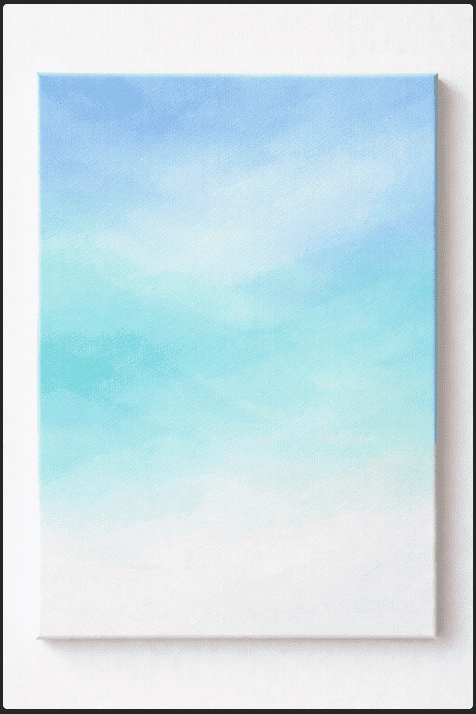
Design tip: Choose colors that transition naturally, such as blue to teal to white.
13. Expressive Brush Stroke Abstract
Load your brush with thick paint and apply bold strokes in different directions. Do not overblend. Let each stroke stay visible.
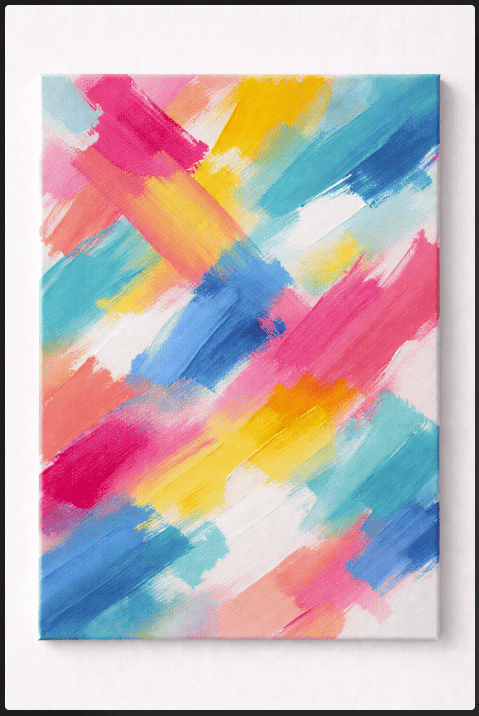
Design tip: Leave small gaps of white space to give the painting room to breathe.
Related Blog post: 7 Easy Animal Drawing Ideas for Kids.
Styling Tips for Your Abstract Art Painting
After you create your abstract art painting, you need to style it correctly in your space. The right color choices and canvas size help your artwork look intentional and professionally placed on your wall.
How to Match Colors With Your Room
To style your abstract art painting successfully, start by analyzing the main colors in your room. Look at your sofa, curtains, rug, and decorative items. If your furniture is neutral, such as white, beige, or gray, choose bold colors in your painting to create contrast and make the artwork stand out.
If your room already includes strong colors, select two tones from the existing decor and repeat them in your canvas. This creates visual harmony and makes the artwork feel connected to the space. For a calm bedroom, use soft blues, muted greens, or warm beige tones. For a living room with black or gray furniture, combine white, gold, and deep blue for a modern look.
Choosing the Right Canvas Size
Canvas size plays a key role in how your abstract art painting fits your wall. For small walls, choose a medium canvas around 40 x 50 cm to avoid overwhelming the space. For large empty walls, select a bigger canvas or create a gallery effect with two or three matching pieces.
Always measure your wall before buying a canvas. A practical guideline is to fill about two-thirds of the empty wall space with your artwork. This proportion creates balance and prevents your painting from looking too small or too crowded.
Conclusion
You do not need advanced skills to start painting. These easy abstract art painting ideas on canvas give you simple steps and clear directions. Choose one idea, gather your supplies, and begin. The more you paint, the more confident you become. Your first canvas is the start of your creative process.
Thank you for reading this article. I hope it was useful.
More blog posts: