15 Easy Sketch Ideas for Beginners to Try Today
Starting with easy sketch ideas for beginners helps you build drawing confidence quickly. You do not need expensive supplies or advanced skills to get started.
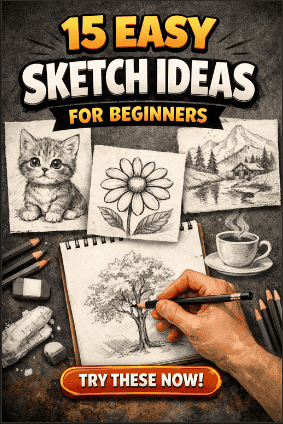
You can easily start with simple subjects and clear steps to make it easier for you to practice.
When you pick the right sketch ideas, you avoid feeling overwhelmed. You can focus on shapes, lines, and shading without worrying about details. This approach lets you enjoy the process and learn at your own pace.
You will find that sketching regularly improves your hand control and observation skills. Choose ideas that fit your interests and available time. With these easy sketch ideas, you can fill your sketchbook and develop your unique style.
How to Choose the Best Beginner Sketch Ideas
First, pick subjects that match your comfort level and your available time. For example, start with simple objects like a cup, a book, or a plant.
These shapes are easy to understand, so you focus on basic skills like proportion, shading, and clean lines. As a result, you build confidence and improve faster.
Next, break your ideas into small tasks. Instead of drawing a full scene, choose one object and study it from different angles. Then repeat the sketch a few times.
Also, try different themes to keep your practice fresh. For instance, draw household items one day and natural elements the next.
This variety trains your eye and keeps you interested. At the same time, pay attention to light, shadows, and textures in each sketch.
Finally, use easy references from your daily life. You can draw from photos on your phone, objects on your desk, or views from your window.
Related blog post: How to Draw a Body Step by Step?
15 Easy Sketch Ideas for Beginners
These beginner-friendly sketch ideas help you practice basic techniques and enjoy drawing. Each idea includes practical tips so you can get started right away.
1. Basic Geometric Shapes On Plain Paper
Drawing basic shapes like circles, squares, and triangles helps you master line control. You should use plain paper and a regular pencil for this exercise.
You can focus on keeping your lines smooth and your shapes even.
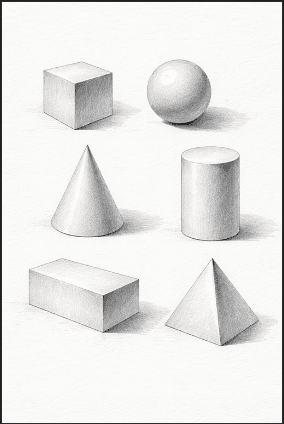
Practicing these shapes trains your hand to move steadily. You need to repeat each shape several times to notice improvement. Try filling a page with different sizes and arrangements.
This exercise forms the foundation for more complex sketches. I recommend spending a few minutes each day on shapes before moving to other ideas.
2. Simple Leaf From Real Life
A single leaf makes an easy and interesting subject. You should pick a real leaf for reference because it helps you see details like shape and veins.
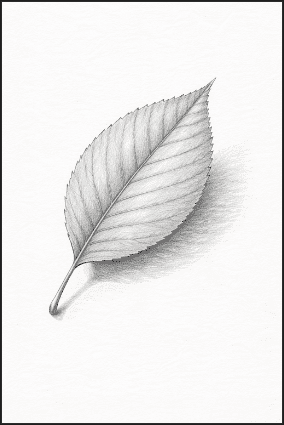
You need to start by outlining the main shape, then add the central vein and smaller lines. Keep your pencil strokes light at first so you can adjust the outline.
This sketch idea teaches you to observe nature closely. I recommend using a soft pencil for shading the leaf’s texture.
3. Clear Main Subject For Easy Sketch
A coffee mug is a familiar object that helps you practice drawing curves and ellipses. Place a mug on your table and sketch what you see.
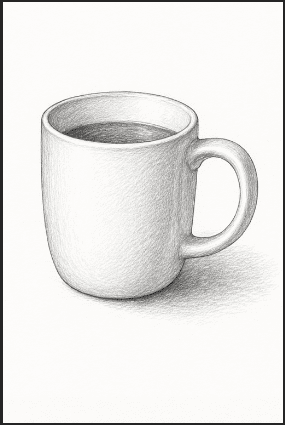
You need to start with the top ellipse, then draw the sides and base. Add the handle last, using simple curved lines.
This subject helps you understand perspective and proportion. I recommend erasing and adjusting as you go to keep the mug looking balanced.
4. Cartoon Cat Sitting Upright
Drawing a cartoon cat lets you practice basic shapes and playful expressions. You should start with a circle for the head and an oval for the body.
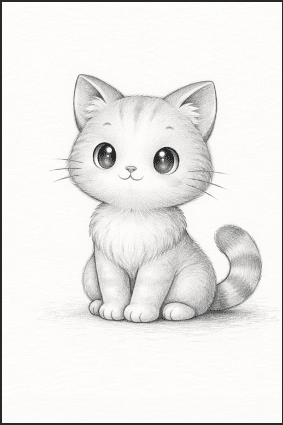
Add triangle ears, round eyes, and a simple tail. Keep the lines bold, and features exaggerated for a fun look.
This idea works well for beginners because you do not need perfect proportions. I recommend experimenting with different facial expressions.
5. Stack Of Books On A Table
A stack of books helps you practice drawing rectangles and straight lines. Arrange two or three books on a table for reference.
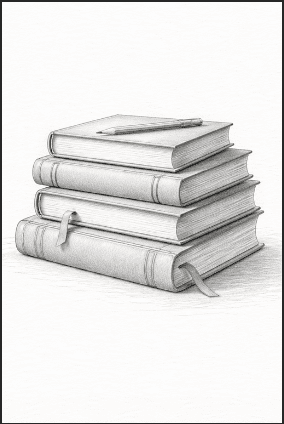
You need to sketch the outline of each book, paying attention to overlapping edges. Add simple details like the spine and cover lines.
This sketch idea teaches you about perspective and layering. I recommend shading the sides of the books to create a sense of depth.
6. Simple Mountain Landscape Scene
A mountain landscape uses basic shapes and lines to create a sense of depth. Start with a wavy line for the horizon, then add mountain peaks above it.
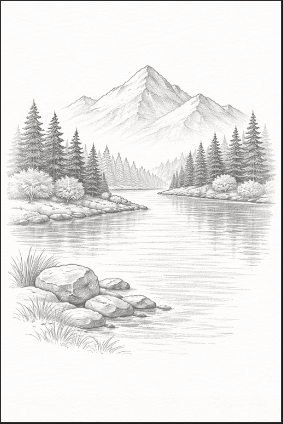
Draw a few simple trees or a river in the foreground. You should keep the details minimal for a clean look.
This idea helps you practice layering and composition. I recommend using different pencil pressures for distant and close objects.
7. Pair Of Glasses With Simple Shadows
A pair of glasses lets you practice drawing curves and symmetry. Place your glasses on a flat surface and sketch what you see.
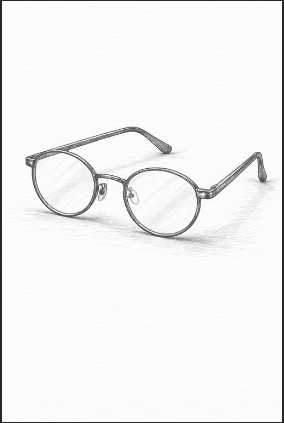
Start with the frames, then add the lenses and arms. You need to keep both sides even for a balanced look.
Add a simple shadow below the glasses for depth. I recommend using a soft pencil for shading the shadow lightly.
8. Single Flower With Visible Petals
A single flower is a classic beginner sketch idea. You should choose a flower with simple petals, like a daisy or tulip.
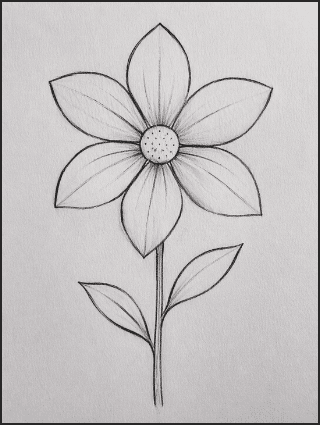
Start with the center, then draw each petal around it. Add a straight stem and a few leaves if you want extra detail.
This sketch helps you practice symmetry and curved lines. I recommend using light strokes for the petals and darker lines for the center.
9. Simple House With A Slanted Roof
A simple house teaches you to combine rectangles, squares, and triangles. Start with the main box for the house, then add a slanted roof on top.

Draw a door and a few windows to complete the scene. You should keep the lines straight and the roof angle clear.
This idea helps you understand structure and perspective. I recommend adding a path or a tree for extra interest.
10. Fruit Bowl With Three Simple Fruits
A fruit bowl lets you practice drawing round shapes and overlapping objects. Place three fruits like apples, oranges, or bananas in a bowl for reference.
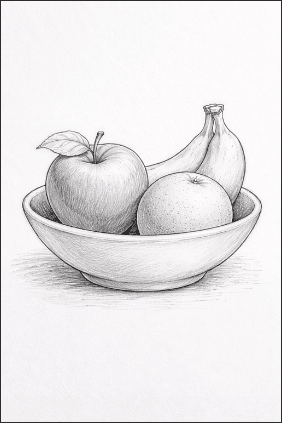
Start with the bowl’s outline, then add each fruit, making sure they overlap naturally. You need to pay attention to their size and position.
This sketch idea helps you learn about composition and shading. I recommend using light pencil strokes for the initial layout.
11. Closed Umbrella With Curved Handle
A closed umbrella is a practical subject for practicing curves and straight lines. Place an umbrella on the floor or table for reference.
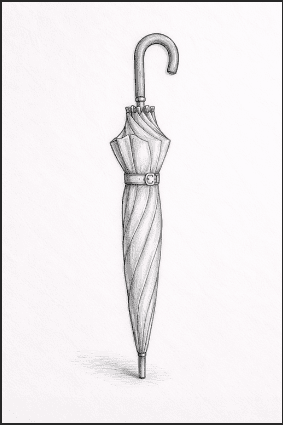
Begin with the long shaft, then add the curved handle and the folded canopy. You should keep the folds simple and avoid too many details.
This idea helps you understand proportion and overlapping lines. I recommend shading the folds lightly to show the umbrella’s shape.
12. Simple Tree With Branches And Roots
A simple tree lets you practice organic lines and branching shapes. Start with the trunk, then draw a few main branches spreading out.
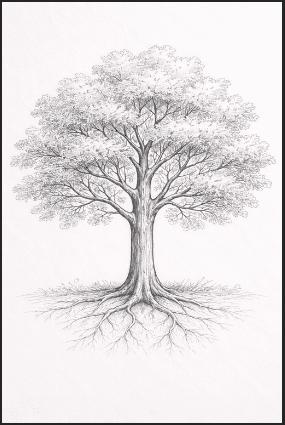
Add roots at the base and smaller branches for detail. You need to keep the lines flowing and natural.
This sketch idea helps you understand structure and natural forms. I recommend varying branch thickness for a realistic look.
13. Easy Smiling Face With Big Eyes
A smiling face with big eyes is a fun way to practice facial features. Draw a large circle for the head, then add two big eyes and a wide smile.
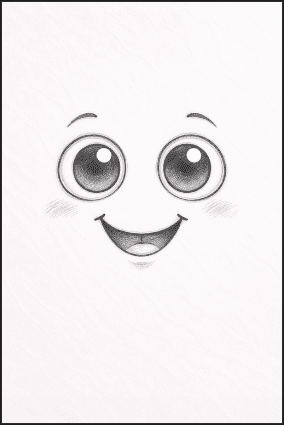
Keep the features simple and exaggerated for a cartoon style. You should use bold lines for the eyes and mouth.
This idea helps you practice symmetry and expression. I recommend trying different eyebrow shapes for variety.
14. Basic Candle With A Small Flame
A candle with a small flame is a straightforward subject for beginners. Start with a vertical rectangle for the candle body, then add a small oval at the top for melted wax.
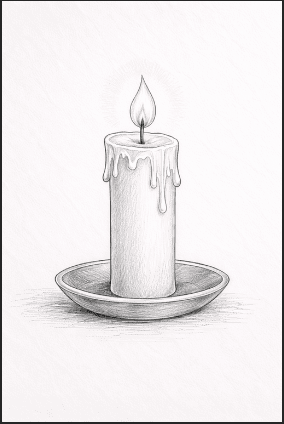
Draw a short wick and a teardrop shape for the flame. You need to keep the shapes simple and the lines clean.
This sketch idea helps you practice vertical lines and small details. I recommend shading the candle body to show roundness.
15. Simple Balloon Floating Upward
A single balloon is an easy and cheerful sketch idea. Draw an oval or round shape for the balloon, then add a thin string trailing down.
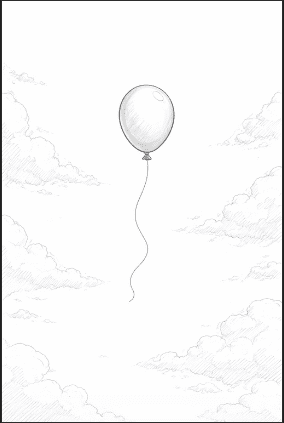
You should keep the outline smooth and the string slightly curved to show movement. Add a small highlight on the balloon for shine.
This idea helps you practice smooth curves and simple shading. I recommend using a soft pencil for gentle shadows.
Conclusion
As you can see, easy sketch ideas for beginners help you build skills and confidence without stress. You can choose subjects that interest you and match your current level.
By practicing regularly with these simple ideas, you will see steady improvement and enjoy filling your sketchbook.
More blog posts:
FAQs
Here are some frequently asked questions:
What supplies do I need for beginner sketches?
You only need a basic pencil, eraser, and plain paper to start. You can add colored pencils or pens later if you want more variety.
How often should I practice sketching as a beginner?
You should sketch a few times a week, even if only for 10 minutes. Regular practice helps you improve faster and build confidence.
What if my sketches do not look perfect?
Do not worry about perfection. Focus on learning and enjoying the process. You will improve with practice and patience.
How do I find more easy sketch ideas?
Look around your home, use online photo references, or sketch from nature. Everyday objects and simple scenes offer plenty of inspiration.
Should I use color in my beginner sketches?
You can add color if you feel comfortable, but it is best to start with pencil sketches. Focus on shapes and shading first, then try color later.