17 Wall Painting Ideas You Can Try at Home
If you’re looking for some wall painting ideas, you have come to the right place.
Your walls take up the most space in your home, yet most people leave them plain. With the right wall painting ideas, you can change the entire look of a room without spending a lot of money.
A simple paint design can make your space feel bigger, brighter, or more modern in just a few hours.
You do not need professional skills to achieve great results. Many of these ideas use basic tools and easy techniques you can try on your own.
You might like bold accent walls or creative patterns; I believe there is always an option for every style and room.
In this article, you will find 17 wall painting ideas you can try at home to upgrade your space step by step. So let’s get right into it.
Note: This post contains affiliate links, and we earn a commission if you make a purchase through them at no extra cost to you.
17 Wall Painting Ideas
Now that you know how much impact a simple paint design can have, it is time to explore real ideas you can apply.
Below, you will find a mix of creative and easy wall painting Ideas you can try in any room. Each idea is practical and designed to help you get professional results at home. So let’s get started.
1. Two-Tone Wall Design
For this design, you can start by dividing your wall into two equal or slightly uneven sections. This technique works best when you use a darker shade on the bottom and a lighter shade on top.
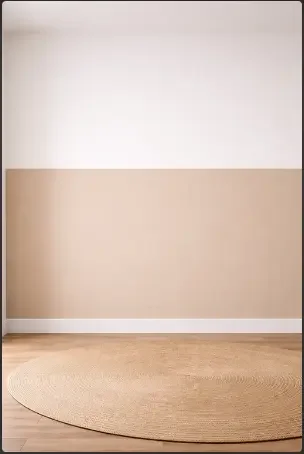
As a result, your room feels more balanced and visually structured. For example, you can pair beige with white for a clean look, or navy with light gray for a modern feel.
To get a sharp line, apply painter’s tape carefully and press the edges to avoid bleeding. Then paint the lighter color first, let it dry, and move to the darker shade.
This order helps you fix small mistakes easily. If you want a more refined finish, you can add a thin border line between the two colors.
Related blog post: 11 Easy Painting Ideas on Canvas for Beginners.
2. Geometric Wall Patterns
Geometric designs give your wall a modern and organized look. First, plan your pattern on paper so you know where each shape will go.
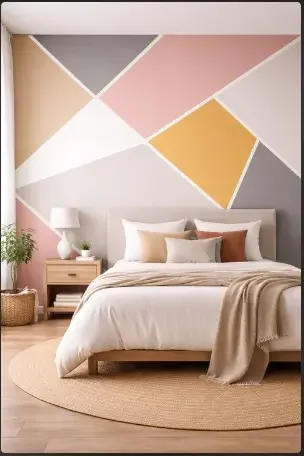
Then use painter’s tape to create triangles, squares, or diagonal lines. This method helps you stay precise and avoid uneven spacing.
Next, choose two to four colors that work well together. Neutral tones create a subtle effect, while bold colors make the design stand out.
Once you finish painting, remove the tape slowly while the paint is still slightly wet. This prevents peeling and keeps your lines clean.
3. Accent Wall with Bold Color
An accent wall draws attention without overwhelming the entire room. Choose one wall, usually behind a bed or sofa, and paint it in a strong color like dark green, charcoal, or deep blue.
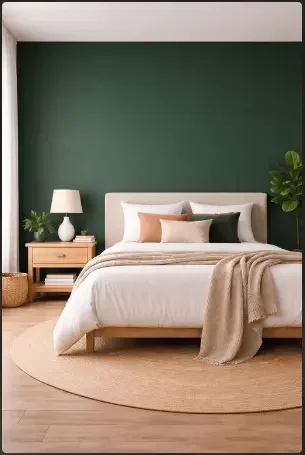
This creates a focal point and adds depth to your space.
Before painting, test the color under natural and artificial light. Colors often look different throughout the day. Also, keep the surrounding walls light to maintain balance.
This contrast helps the accent wall stand out without making the room feel smaller.
4. Ombre Wall Effect
The ombre effect creates a smooth transition between colors, which adds a soft and calming feel. Make sure you start with three shades of the same color, from light to dark.
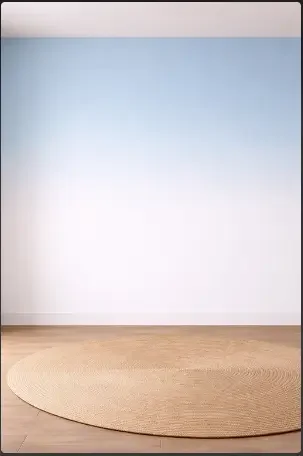
You can apply each shade in horizontal sections, then blend the edges while the paint is still wet.
Use a dry brush or sponge to soften the transitions between each color. Work in small sections so the paint does not dry too quickly.
Although this technique takes more time, the final result gives your wall a professional and artistic look.
5. Minimalist Line Art Wall
Minimalist line designs work well if you want a clean and simple style. You need to use a thin brush and sketch your design lightly with a pencil before painting.
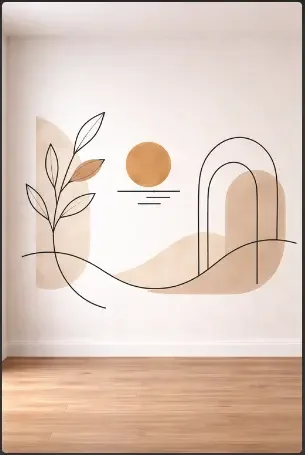
Straight lines, curves, or abstract shapes all work well for this approach.
Stick to one or two colors, such as black on a white wall. This keeps the design sharp and easy to look at. If you want more precision, you can use tape to guide straight lines.
Keep the design spaced out so the wall does not feel crowded.
6. Textured Paint Finish
A textured finish adds depth and character to flat walls. You can use a sponge, rag, or special brush to create patterns while the paint is still wet.
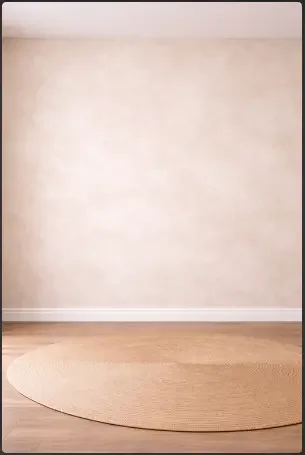
This technique works well in living rooms or feature walls where you want extra detail.
Start with a base coat and let it dry completely. Then apply a second coat using your chosen tool to create texture.
Practice on a small area first, so you understand how much pressure to use. This helps you keep the texture consistent across the wall.
7. Striped Wall Design
Striped walls change how your space looks. Vertical stripes make your ceiling appear higher, while horizontal stripes make the room feel wider.
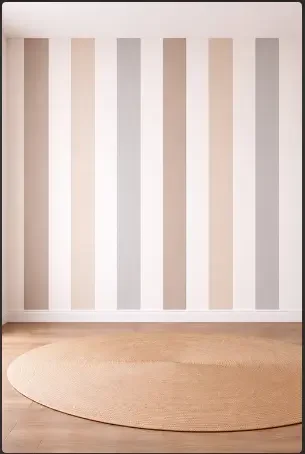
You need to start by measuring and marking equal sections across the wall.
Use painter’s tape to outline each stripe, then paint every other section. For best results, remove the tape before the paint fully dries. Choose colors with enough contrast so the stripes are visible but not too harsh on the eyes.
8. Arch Wall Painting
Arch designs create a soft focal point and work well behind beds, desks, or reading corners. Start by marking the center point of your wall, then draw a half-circle shape using a string or template.
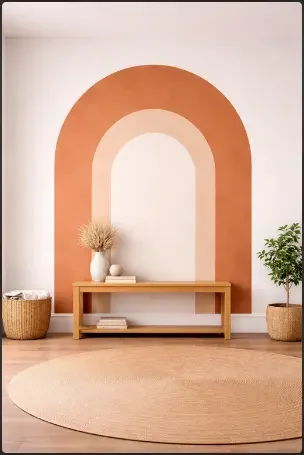
Choose a color that contrasts with your wall but still fits your decor. Earth tones and muted shades work especially well for this style. Paint carefully along the edges first, then fill in the shape evenly for a clean finish.
9. Polka Dot Wall
Polka dots add a playful and light feel to a room. This design is ideal for kids’ rooms or creative spaces. You can use a stencil or a round sponge to create evenly sized dots.
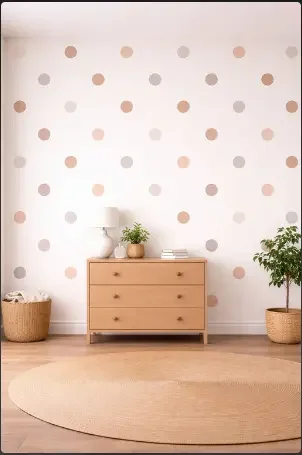
Plan your spacing before you start so the pattern looks balanced. Use light colors for a subtle effect or bold colors for a more fun look. Keep the dots consistent in size to maintain a clean design.
10. Nature-Inspired Wall
Nature-inspired designs bring a calm and relaxing feel to your space. You can paint simple leaves, mountains, or clouds, depending on your style. These designs work best with soft, earthy tones.
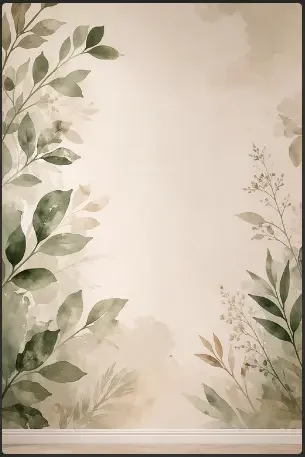
You need to start with a simple sketch, then build your design step by step. Use small brushes for details and larger brushes for background areas. Keep the design minimal so the wall stays clean and not too busy.


11. Color Block Wall
Color blocking uses large sections of color to create contrast. You will begin by dividing your wall into different shapes or sections using tape. This method works well in modern interiors.
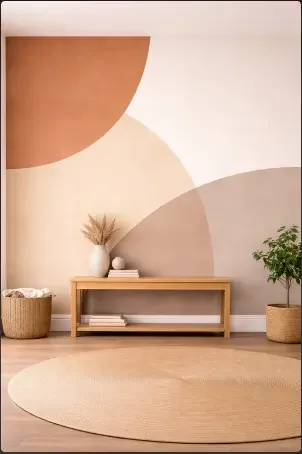
Choose colors that complement each other. For example, you can combine warm tones like terracotta and beige, or cool tones like blue and gray. Paint one section at a time and let each area dry before moving to the next.
12. Dark Moody Walls
Dark walls create a cozy and dramatic atmosphere. Colors like charcoal, navy, or deep green work well for this style. These shades add depth and make your furniture stand out.
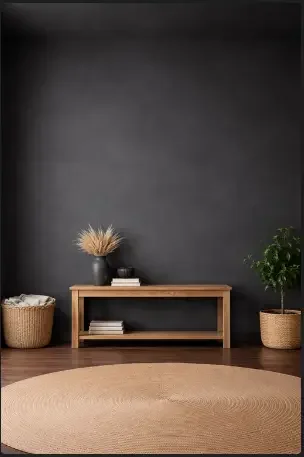
Make sure your room has enough lighting to balance the dark color. Use warm lights to keep the space inviting. Also, consider painting only one or two walls if your room is small.
Related blog post: 13 Easy Abstract Art Painting Ideas.
13. Pastel Wall Colors
Pastel colors create a soft and relaxing environment. Shades like blush pink, light blue, or pale green work well in bedrooms. These colors reflect light and make your space feel open.
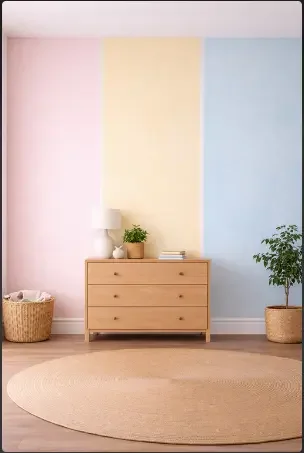
Use a matte or eggshell finish for a smooth look. Pair pastel walls with simple decor to keep the room clean. This style works best when you keep everything light and balanced.
14. Checkerboard Pattern Wall
Checkerboard patterns create a bold and structured design. I recommend that you start by measuring equal squares across your wall and marking them clearly. Precision is important for this style.
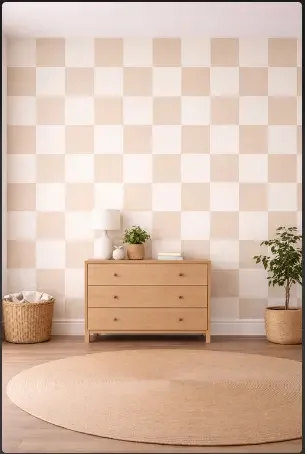
Use two contrasting colors like black and white or beige and brown. Paint alternating squares and allow each section to dry before removing the tape. This helps you avoid smudging and keeps the pattern sharp.
15. Half-Painted Wall with Shelf Line
This style combines design with function. Paint half of the wall and align the paint line with shelves or furniture. This creates a clean and intentional look.
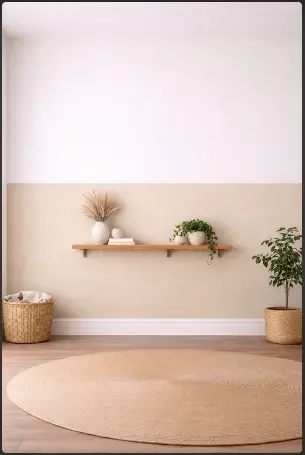
Choose a color that complements your furniture so everything looks connected. This approach works especially well in small spaces because it adds detail without overwhelming the room.
16. Metallic Accent Details
Metallic accents add a refined touch to your wall. You can paint thin gold or silver lines over a neutral background to create a subtle highlight.
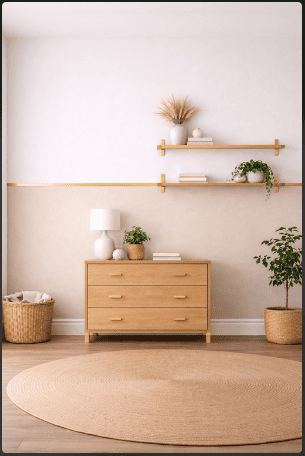
Use a small brush for precision and keep the design simple. Too many metallic details can feel heavy. Focus on clean lines or small shapes to keep the look elegant.
17. Abstract Wall Painting
Abstract painting gives you full creative freedom. You need to start with a general idea, then build your design using shapes and colors. There are no strict rules, so you can experiment freely.
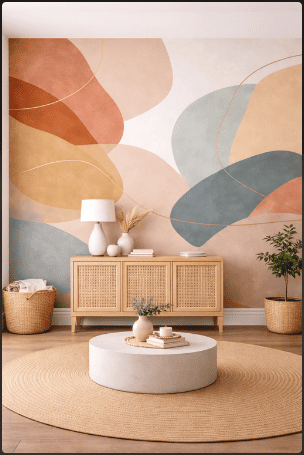
You should use a mix of brushes and tools to create different textures and effects. Step back often to check the balance of your design. This helps you keep the composition clean and visually appealing.
What You Need Before You Start Painting
Before you start, you need to prepare your space and tools. This helps you work faster and get a clean result.
Paint and primer
You need to choose the right paint finish for your room. You should use matte for low traffic areas, eggshell or satin for living spaces, and semi-gloss for kitchens and bathrooms.
You can use primer if your wall has stains, dark colors, or fresh drywall.
Tools
You need a roller for large areas and angled brushes for edges and corners. You should also get a paint tray, an extension pole, and a stir stick.
You can invest in good-quality tools because they give a smoother finish and reduce streaks.
Surface prep supplies
You need to clean the wall before painting. You should use mild soap and water to remove dust and grease. You can fill holes with spackle and sand the surface until smooth.
You should apply painter’s tape to protect trim, ceilings, and edges.
Drop cloths and protection
You need to cover floors and furniture with drop cloths or plastic sheets. This protects your space and makes cleanup easier.
Color test samples
You need to test your paint before you commit. You should apply a small sample on the wall and check it in daylight and at night. You can compare shades and avoid picking the wrong color.
Time and lighting
You need enough time to complete the job. You should paint during the day so you can see coverage clearly. You can plan for at least two coats and allow proper drying time between them.
If you prepare everything in advance, you improve your results and make the process easier.
Conclusion
You now have 17 wall painting ideas you can try at home, and you can pick one based on your space, budget, and style.
You should start with a simple design if you are new, and you can move to more detailed patterns as you gain confidence.
You need to plan your color scheme, prep your walls, and use the right tools to achieve a clean finish. If you take your time and follow the steps, you can turn any plain wall into a focal point that improves your entire room.
More blog posts:


FAQs
Here are some frequently asked questions related to wall painting:
What are the best wall painting ideas for beginners?
You should start with simple designs like solid color walls, accent walls, or basic geometric patterns. You can use painter’s tape to keep lines clean and avoid mistakes.
How do you choose the right wall paint color?
You need to consider your room size, lighting, and furniture. You should test small samples on your wall and check them at different times of the day before you decide.
What tools do you need for wall painting at home?
You need a roller, angled brushes, a paint tray, painter’s tape, drop cloths, and sandpaper. You should also use primer if your wall needs extra coverage.
How many coats of paint should you apply?
You should apply at least two coats for even coverage. You need to let the first coat dry fully before you apply the second one.
How do you make wall paint look professional?
You need to prepare the surface well, use quality tools, and apply paint evenly. You should also work in good lighting so you can spot missed areas.
What is the most popular wall painting idea right now?
You can see high demand for accent walls, two-tone walls, and geometric designs. These styles are simple and create a strong visual impact.
How do you paint a wall without leaving streaks?
You should use a high-quality roller, avoid overloading it with paint, and apply even pressure. You need to paint in sections and blend edges while the paint is still wet.
Is it better to use a brush or a roller for walls?
You should use a roller for large surfaces and a brush for edges and corners. This gives you faster coverage and better control.