15 Line Art Drawing Ideas for Beginners and Artists
If you’re looking for some line art drawing ideas for your sketchbook, you’re in the right place.
Line art drawing offers one of the easiest ways to start drawing. You use clean outlines instead of shading or color. Because of this, you focus on shape, flow, and composition.
Many beginners start with line art because the style removes complexity and helps build drawing control.
At the same time, experienced artists use line drawings to practice observation and explore minimalist illustration. A simple pen and paper give you everything you need to begin.
In this article, you will find 15 line art drawing ideas you should try in your sketchbook. Each idea focuses on simple shapes and clear outlines.
This helps you build confidence in your line as you create minimalist artwork. So let’s get started.
Note: Some links in this article are affiliate links. We might get a small commission if you buy a product using our link.
What is Line Art Drawing
Line art drawing refers to a drawing style that uses lines to create an image. The artist draws the outline of objects instead of filling areas with shading or color. In simple terms, the drawing shows the shape of a subject using clean lines.
Artists often create line art with tools such as pencils, fineliner pens, or digital drawing tablets. Many artists prefer pens because the lines look clear and sharp.
You will often see line art in illustrations, tattoo designs, logos, and minimalist artwork. The style works well for beginners because you focus on shapes, curves, and proportions without worrying about shading.
Related blog post: 13 Easy Abstract Art Painting Ideas on Canvas.
15 Line Art Drawing Ideas to Try
If you want to improve your drawing skills, simple practice ideas help you build confidence. Line art works well for this purpose because you focus on shapes, curves, and clean outlines.
As a result, your hand control and observation skills improve with regular practice.
The following line art drawing ideas give you simple prompts you can use in your sketchbook. You need to start with easier subjects, then move toward more detailed drawings as your confidence grows.
1. Continuous Line Face Drawing
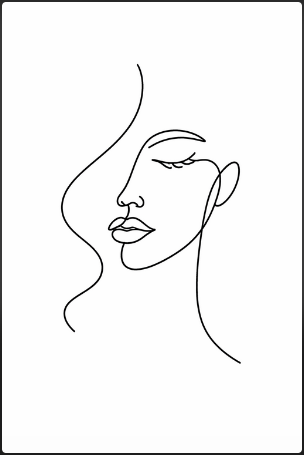
A continuous line face drawing uses a single line to create the entire face. Instead of lifting your pen, you move the line across the paper to form the eyes, nose, lips, and jaw.
This exercise helps you develop smoother line movement and better control.
You can start with a simple face shape and avoid adding too many details. Focus on the flow of the line rather than perfection.
Practice tips:
• Begin with the outline of the face before adding facial features.
• Move your pen slowly to keep the line smooth.
• Use a reference photo to study the position of the eyes and nose.
• Practice several versions on one page.
2. Minimalist Flower Line Drawing

Flower drawings work well for line art because flowers contain clear shapes and smooth curves. Simple flowers such as daisies, tulips, and roses provide a good starting point.
Instead of drawing every detail, focus on the outline of the petals and the center of the flower. This approach keeps the drawing clean and minimalist.
Ideas you can try:
• Draw a single flower stem with a few petals.
• Create a small bouquet using simple outlines.
• Combine two or three flower types on one page.
• Practice different petal shapes.
3. Botanical Leaf Line Art
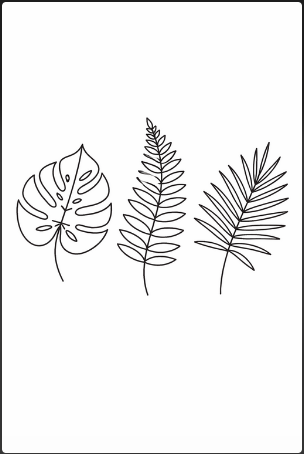
Leaves offer another great subject for line art practice. Many plants have strong shapes that translate well into clean outlines.
Start with simple leaves such as monstera, palm, or fern leaves. Then focus on the main outline and a few inner veins.
Ways to practice leaf drawings:
• Draw large leaves with bold outlines.
• Add a few thin lines to show leaf veins.
• Combine different leaf shapes on one page.
• Study real plants or photos for reference.
Related blog post: 9 Art Therapy Activities for adults.
4. Line Art Butterfly Drawing
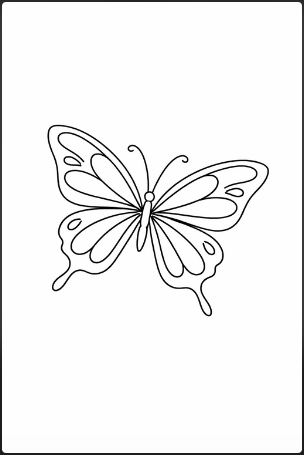
Butterflies create balanced and visually pleasing line drawings. Their wings contain repeating shapes, which makes them perfect for practice.
You can begin by drawing the body of the butterfly. After that, sketch the two wings on each side and add simple line patterns inside the wings.
Helpful drawing steps:
• Start with a vertical line for the butterfly body.
• Draw the upper wings first, then the lower wings.
• Add simple curved lines or dots inside the wings.
• Keep the patterns clean and minimal.
5. Simple Mountain Landscape Line Drawing
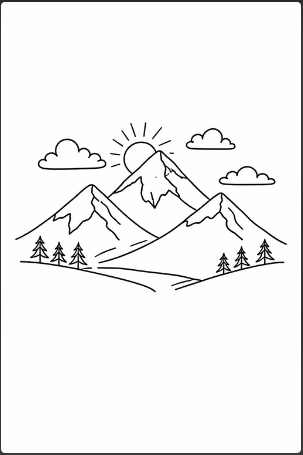
Landscape drawings also work well with line art. A simple mountain scene allows you to practice straight lines, curves, and composition.
Start with mountain peaks, then add elements such as the sun, clouds, or a horizon line.
Ideas to include in your drawing:
• Draw two or three overlapping mountain peaks.
• Add a small sun rising behind the mountains.
• Sketch simple cloud outlines.
• Include a few pine trees in the foreground.
6. Minimalist Cat Line Drawing
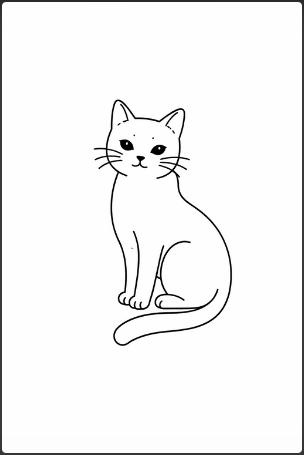
Animals provide fun subjects for line art practice. A cat works well because the shape of the head, ears, and tail remains simple.
Focus on the outline of the cat rather than adding fur texture. Clean lines create a minimalist style.
Practice ideas:
• Draw a sitting cat using simple outlines.
• Create a cat face with ears and whiskers.
• Use a continuous line style for the whole cat.
• Try different tail positions.
7. Continuous Line Hand Drawing
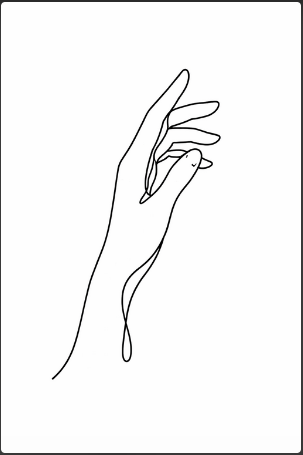
Drawing hands helps you understand shape and proportion. Using a continuous line makes this exercise more challenging and helpful for improving control.
You can start with the outline of the palm, then follow the shape of each finger without lifting the pen.
Tips for better results:
• Use your own hand as a reference.
• Start with relaxed hand positions.
• Draw slowly to maintain smooth curves.
• Practice several hand poses.
8. Line Art Female Portrait
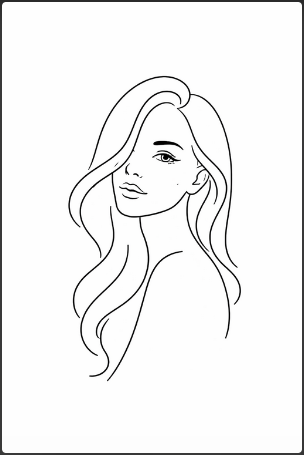
A female portrait offers a good opportunity to practice facial structure and flowing lines. Keep the drawing simple and focus on the main facial features.
Minimalist portraits often highlight the outline of the face, nose, lips, and hair.
Ways to practice portrait line art:
• Draw the side profile of a face.
• Focus on simple hair outlines.
• Use thin lines for facial features.
• Avoid adding shading or heavy details.
9. Line Art Feather Drawing
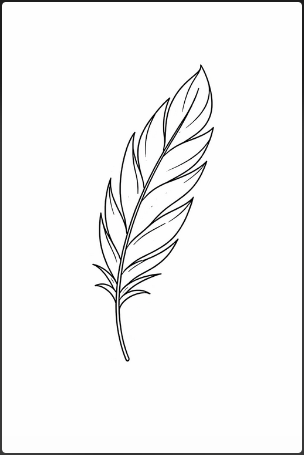
Feathers create elegant line drawings because they contain delicate shapes and thin inner lines. This subject helps you practice light strokes and balanced details.
Start with the main feather outline. After that, draw thin lines from the center shaft outward.
Helpful practice tips:
• Draw a curved line for the feather stem.
• Add small angled lines on each side.
• Keep the inner lines thin and evenly spaced.
• Experiment with different feather sizes.
10. Line Art Coffee Cup Illustration
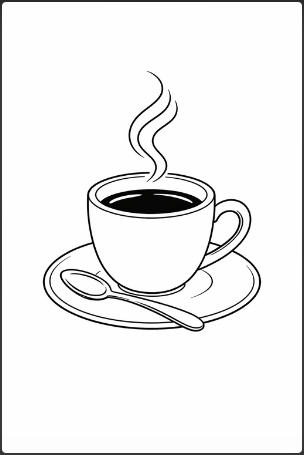
Simple everyday objects also work well for line art practice. A coffee cup contains basic shapes that help you practice clean outlines.
Begin with the cup shape, then add a handle and a few steam lines above the cup.
Ideas for this drawing:
• Draw a mug with a rounded handle.
• Add three curved steam lines.
• Place the cup on a simple table line.
• Experiment with different cup shapes.
11. Minimalist Bird Line Drawing
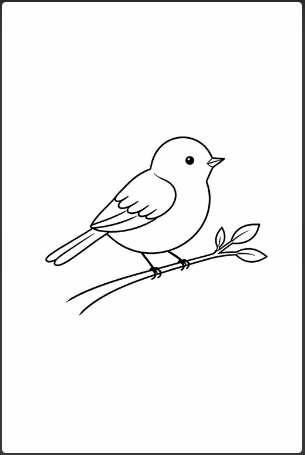
Bird drawings look elegant when created with simple curved lines. Many artists draw birds in flight because the shapes remain clean and expressive.
You need to start with a basic bird outline, then focus on wing shapes.
Practice variations:
• Draw birds flying in the sky.
• Create a small group of birds.
• Use simple curved lines for wings.
• Try different wing positions.
12. Line Art Moon and Stars

A moon and stars drawing provides a simple but attractive line art idea. This subject works well for beginners because the shapes remain basic.
Start with a crescent moon shape, then add small star outlines around it.
Ideas to improve the drawing:
• Draw stars with simple geometric shapes.
• Add small dots to represent distant stars.
• Include a few thin cloud outlines.
• Experiment with different moon sizes.
13. Line Art Mushroom Drawing
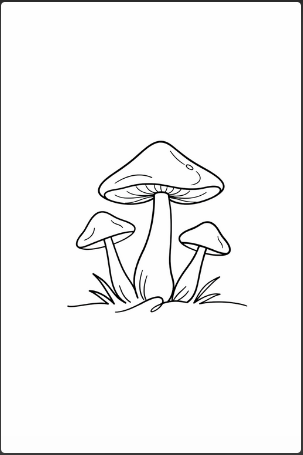
Mushrooms contain simple shapes, which makes them easy to draw with line art. The cap and stem create a clean and recognizable form.
You will need to begin with the mushroom cap, then add the stem and small details.
Practice suggestions:
• Draw one large mushroom.
• Add smaller mushrooms beside it.
• Include simple dots on the cap.
• Place mushrooms on a small patch of grass.
14. Line Art Rose Illustration
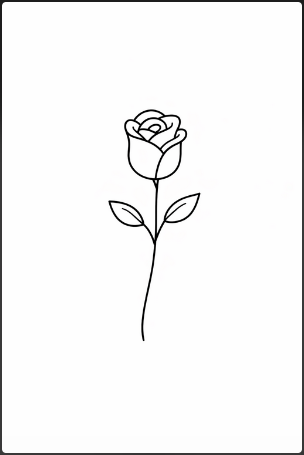
Roses remain one of the most popular subjects for line drawings. Their spiral petal structure works well with smooth line shapes.
Start with the center spiral of the rose. After that, expand outward with larger petal outlines.
Ways to practice rose drawings:
• Draw a single rose bloom.
• Add a stem and two leaves.
• Keep the petal lines simple and smooth.
• Practice different rose sizes.
15. Abstract Line Art Patterns
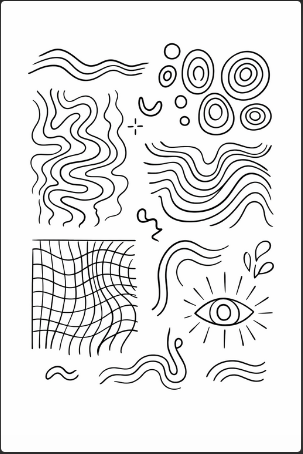
Abstract patterns give you complete freedom to experiment with lines and shapes. This exercise helps you develop rhythm and flow in your drawing.
Instead of drawing objects, focus on creating movement with lines.
Ideas for abstract patterns:
• Fill a page with flowing lines.
• Combine circles, waves, and loops.
• Use repeating shapes across the page.
• Create sections with different patterns.
Tips for Creating Better Line Art Drawings
Improving line art takes practice and attention to how you draw each line. Clean line drawings look simple, yet they require control and observation.
When you practice with the right techniques, your lines become smoother, and your drawings look clearer.
You can use these practical tips during your drawing sessions:
Use smooth and confident strokes: Try to draw each line in one steady motion. Slow and controlled movement helps your lines look cleaner. If a line looks shaky, draw it again instead of adding many small strokes.
Practice continuous line drawing: Continuous line drawing improves control and coordination. In this exercise, you draw the subject without lifting your pen from the paper. As a result, your hand movement becomes smoother and more natural.
Study simple shapes first: Many objects come from basic shapes such as circles, ovals, and rectangles. Start by sketching these shapes lightly. After that, refine the outlines to build your final drawing.
Use fine liner pens for clean outlines: Fine liner pens produce clear and consistent lines. They work well for line art because the ink flows smoothly and does not vary in thickness too much. Many artists use sizes such as 0.3 or 0.5 for precise outlines.
Related blog post: How to Draw Braids Step by Step?
Tools You Can Use for Line Art
Line art does not require complex materials. In fact, many artists start with simple tools and still produce clean drawings. The most important factor is control over your lines.
Here are common tools artists use for line art:
Pencil for sketching: A pencil helps you plan the drawing before you add ink. Start with a light sketch so you can place shapes and proportions correctly. Once the structure looks good, trace the final lines with ink.
Fineliner pens: Fineliners are one of the most popular tools for line art. They create smooth and consistent outlines. Because the tip remains firm, you maintain control when drawing details.
Brush pens: Brush pens produce thicker or thinner lines depending on pressure. Artists use them to add variation and expressive strokes in their line drawings.
Digital drawing tablets: Many artists create line art digitally using drawing tablets. Software such as Procreate or Photoshop allows you to use clean digital brushes and adjust line thickness easily.
Conclusion
Line art remains one of the best ways to practice drawing. The style focuses on clean outlines and simple shapes, which helps you improve control and observation.
You can use the line art drawing ideas in this guide as practice prompts. Try different subjects, repeat drawings, and experiment with new shapes.
Over time, your lines will become smoother, and your drawings will look more confident. Regular practice plays the most important role. Even short sketch sessions help you improve your line control and creativity.
More blog posts:
FAQs About Line Art
Here are some frequently asked questions about line art drawings:
What is line art drawing?
Line art drawing refers to a drawing style that uses clear outlines to create an image. Artists draw shapes and details using lines instead of shading or color. This approach produces simple and clean illustrations.
Is line art good for beginners?
Yes. Line art works well for beginners because it focuses on shapes and outlines. New artists learn proportion, structure, and hand control without worrying about complex shading techniques.
What pen is best for line art drawing?
Many artists use fineliner pens for line art. Popular sizes include 0.3 and 0.5 because they create clean outlines and maintain consistent line thickness.
How do you practice line art drawing?
Start with simple subjects such as leaves, flowers, or faces. Use basic shapes to build the structure, then draw clean outlines. Regular practice and continuous line exercises improve line control and confidence.